
Voltwok Commercial Deep Fryer Maintenance Guide
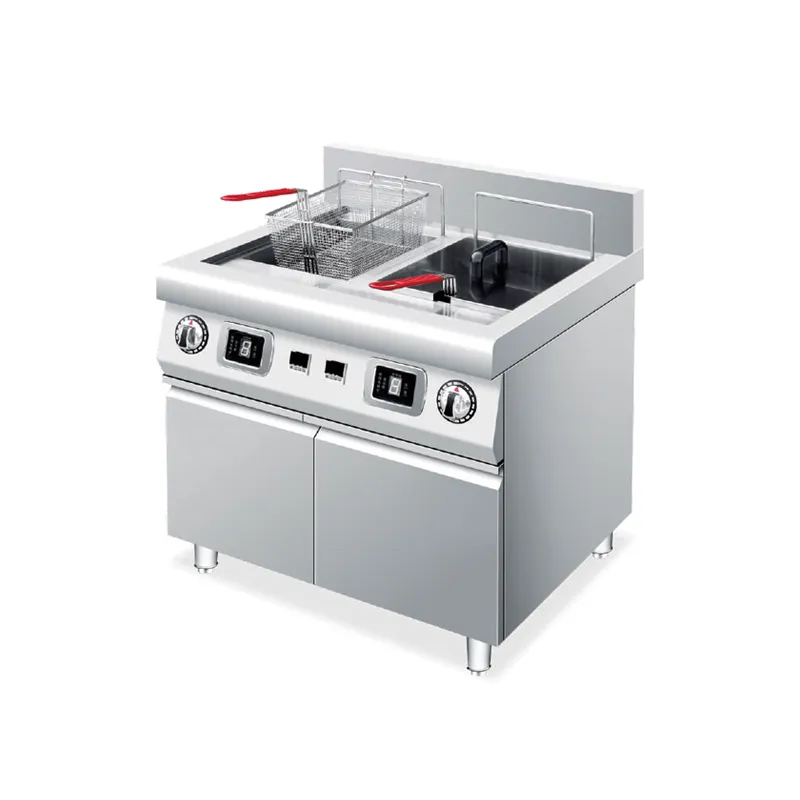
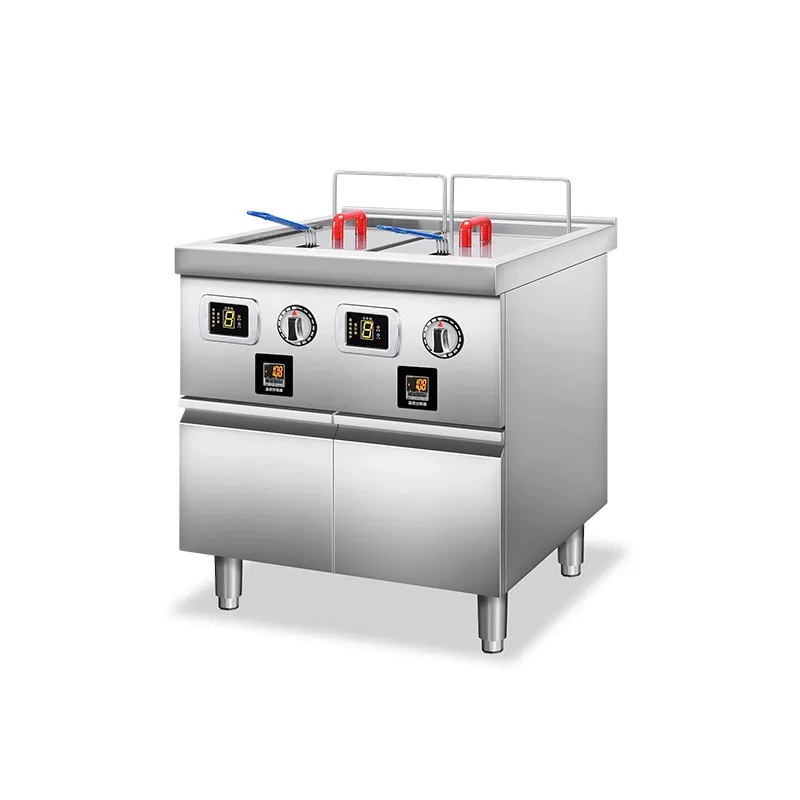
In commercial kitchens, deep fryer cleanliness directly impacts food safety and equipment longevity. As culinary equipment specialists, Voltwok has developed a standardized cleaning protocol based on years of industry expertise. This comprehensive approach covers routine maintenance and deep cleaning for all types of commercial deep fryers.
Daily Cleaning Procedure
- Oil Tank Pre-Treatment
After cooling, open the drain valve to completely remove old oil and clean residual oil sludge. Use a specialized oil tank brush with a hot alkaline cleaner to thoroughly remove food debris and carbonized grease buildup from the bottom filter screen. Perform this daily after closing to prevent rust or odors caused by grease accumulation.
Soak the filter in diluted degreaser for 15 minutes, gently scrub the surface with a soft-bristle brush, then rinse thoroughly with a high-pressure water jet until no oil residue remains.
- Deep Chamber Cleaning
Fill the fryer with warm water (level must cover heating elements), add deep fryer cleaning powder, and activate heating to 85°C–90°C. Boil for 10 minutes. This process breaks down stubborn oil films and carbon deposits inside the cavity.
After boiling, turn off the power. Once the water temperature drops below 60°C, use a long-handled nylon brush with a stainless steel scraper to remove residue from the cavity walls and heating element crevices. Finally, rinse repeatedly with clean water until no detergent residue remains, then thoroughly dry the cavity with a dry cloth.
- External Surface Maintenance
Wipe the control panel, exterior casing, and handles with a microfiber cloth dampened in neutral detergent. For heavily greasy areas, first soften stains with a degreasing spray before wiping with a soft cloth. Avoid water seepage into electrical component areas to prevent short-circuit risks.
Key Points for Monthly Deep Maintenance
- Anti-clogging Maintenance: Inspect and clean the oil circuit filter and drain lines monthly to prevent oil residue buildup from obstructing drainage. Voltwok recommends using removable oil circuit assemblies for easier periodic cleaning and seal replacement.
- Corrosion Prevention: Regularly inspect welded joints and metal components for rust. If rust is detected, lightly sand the affected area to remove the rust layer, then apply Voltwok’s specialized rust inhibitor to form a protective coating.
- Performance Verification: Use an infrared thermometer to calibrate the oil temperature sensor’s accuracy, ensuring the fryer’s temperature control precision remains within ±2°C. This prevents uneven cooking or oil degradation caused by temperature inaccuracies.
Safety Operating Procedures
Before cleaning, ensure power is disconnected and oil temperature has dropped below 50°C. Wear heat-resistant gloves and safety goggles to prevent burns or cleaning agent into the eyes.
Do not use steel wool, metal scrapers, or other hard objects to scrape non-stick coated surfaces, as this may damage the coating and cause future sticking issues.
After cleaning, perform a no-load test run to confirm all components operate normally without abnormal noises before resuming use.
Voltwok Professional Tip: Consistent daily cleaning and regular deep maintenance can extend the lifespan of deep fryers by over 30%, while significantly reducing the risk of oil oxidation. This ensures consistent color and texture in fried foods. By following standardized operating procedures, food service professionals can achieve dual goals: efficient equipment maintenance and food safety assurance.
*This solution was developed by the Voltwok Equipment Maintenance Team based on real commercial kitchen operations and is suitable for the daily cleaning needs of all brands of commercial deep fryers. For customized maintenance plans, contact the Voltwok Technical Services Team for professional support.
 English
  Spanish
  Italian
  Korean
  Serbian
  French
  German
  Thai
Thai  Vietnamese
  Japanese
  Polish